
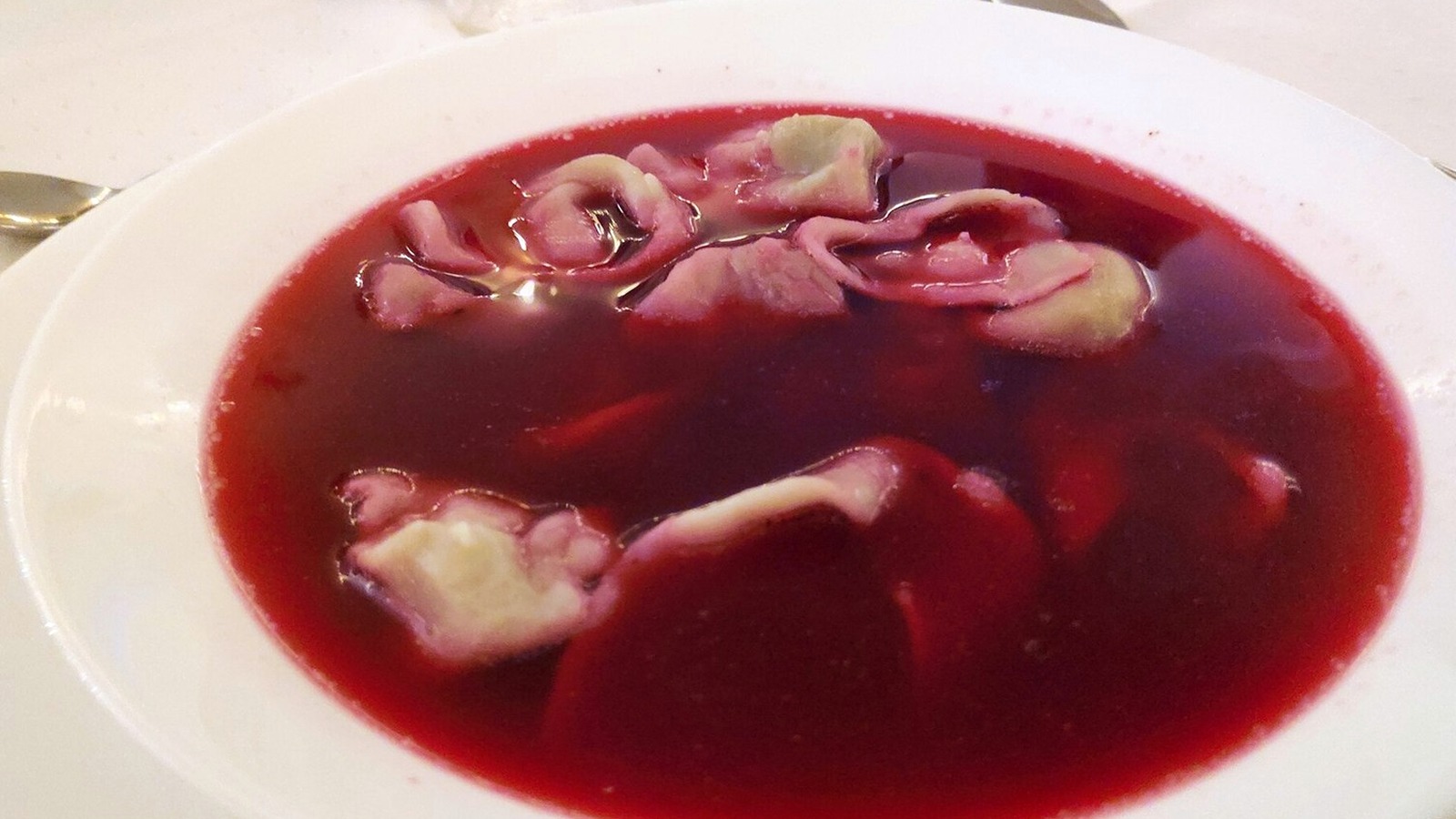
An ancient Polish sourdough soup built on lacto-fermented coarse rye meal infused with garlic, bay leaf, allspice, smoked broth, and fresh marjoram.
Traditional Polish Fermented Rye Żurek with White Sausage
Homemade Polish Żurek recipe featuring a live 5-day type-2000 whole rye starter with kitchen-temp calibration, plus a savory 24-minute cultured-buttermilk shortcut.

Artisan Sourdough Baker & Fermentation Specialist
“Use coarse whole-rye flour (type 2000) in a scalded jar covered with breathable cheesecloth. Ambient temperature dictates pacing: 25 °C finishes fermentation nearly 36 hours faster than 19 °C.”
Step-by-Step Execution & Timers
Days 1–5: Wild lactic fermentation of rye starter
In a scalded glass jar whisk 100 g dark rye flour with 500 ml lukewarm water (35 °C), add 3 smashed garlic cloves, bay leaf, and allspice. Cover with breathable gauze and stir twice daily for 4–5 days at ~21 °C.
Wild lactobacilli on rye bran consume sugars into clean lactic acid, driving pH safely below 4.0.
Always use a clean spoon; never contaminate the starter jar with dairy residue.
Pleasant cider-and-sourdough aroma with gentle effervescence.
Poach sausage at 84 °C & temper with cream and zakwas
Simmer smoked rib broth, then lower heat to 84 °C and poach raw white sausage 18 min without boiling. Whisk in swirled zakwas, grated horseradish, tempered cream, and hand-rubbed marjoram.
Rubbing dried marjoram between palms shatters dried oil glands right before plating.
Stir bottom gently for 4 min once zakwas enters so rye sediment thickens smoothly.
Velvety creamy-taupe broth speckled with emerald marjoram.
Context-Aware Kitchen Mentor
Snap or simulate a pan frame — Sous-Chef gauges Maillard browning vs. scorching risk.
Wild lactobacilli on rye bran consume sugars into clean lactic acid, driving pH safely below 4.0. Burn guard: Always use a clean spoon; never contaminate the starter jar with dairy residue.
Tell me what you see and hear right now on "Days 1–5: Wild lactic fermentation of rye starter". Look for this exact cue: Pleasant cider-and-sourdough aroma with gentle effervescence.
Kitchen FAQ (Schema Grounded)
Should you shake the settled flour sediment before pouring zakwas into the soup?
Yes! Swirl the jar gently before pouring: settled rye particles thicken the soup naturally without white wheat roux.
Why do artisanal cooks poach raw white sausage at 80 °C rather than boiling?
Aggressive 100 °C boiling bursts natural casings and forces juices out, turning tender white sausage chalky.