
Why Top Chefs Swirl Cold Butter at the Very End: The Lipophilic Science Behind Restaurant-Grade Aroma
Water-based sauces leave herb aromas trapped. Cold butter emulsification and controlled Maillard heat unleash full restaurant depth.

Founder of Culina365 • Kitchen-Tested Recipes & Flavor Chemistry
Have you ever simmered garlic and herbs in pure tomato sauce only to taste something curiously flat? Most aromatic compounds in thyme, sage, garlic, and warm spices are lipophilic—they dissolve in fat molecules rather than water.
When you finish a curry or pan sauce with cold butter off the heat (monter au beurre) or bloom whole spices briefly around 135 °C, fat acts as both a solvent and a slow-release delivery coat on your tongue.
Watch the 160 °C bitterness cliff: milk proteins brown into nutty beurre noisette around 140 °C, but seconds later sliced garlic chars bitter. Our Hands-Free Sous-Chef monitors that exact thermal transition.
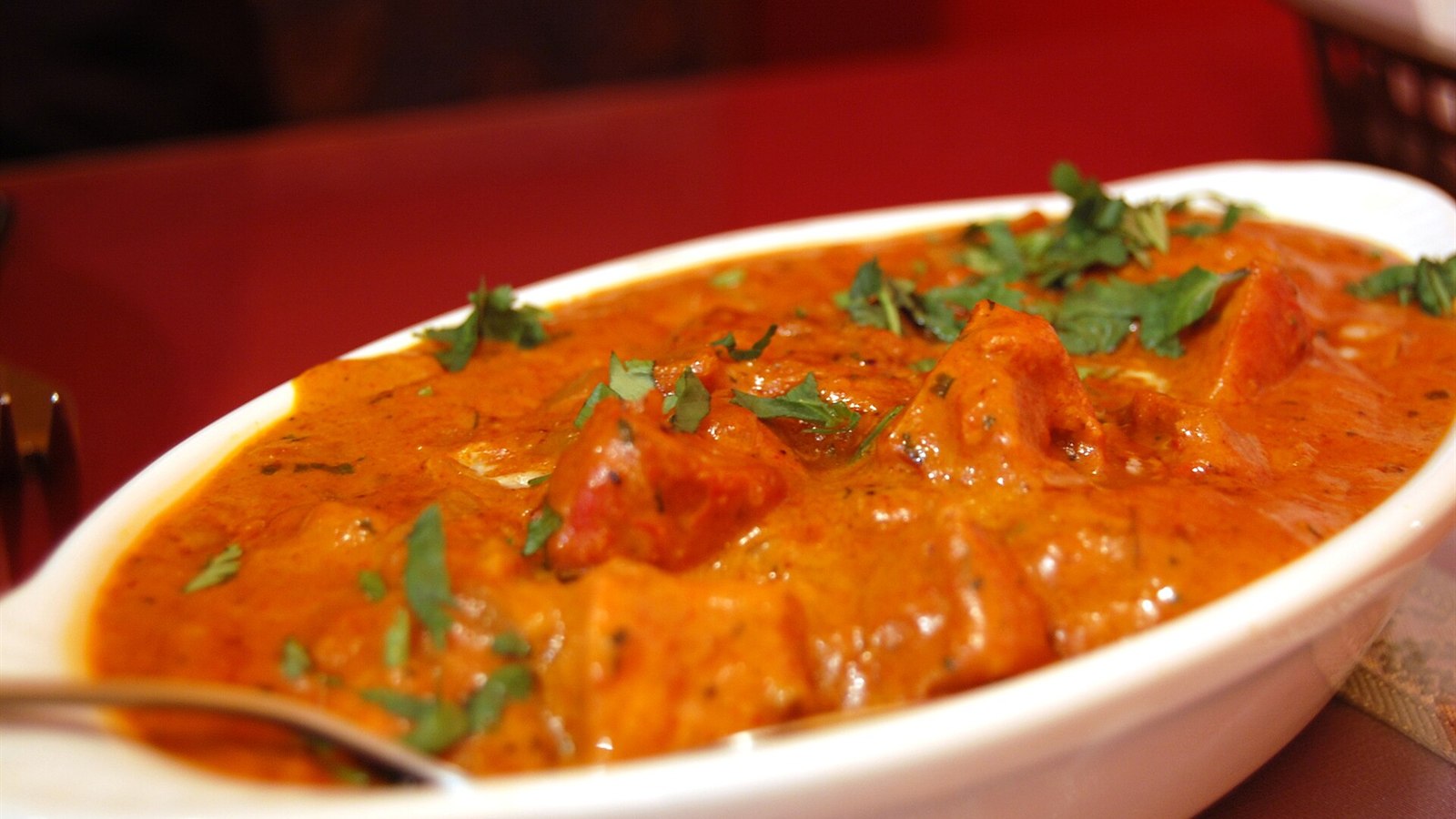
Butter Chicken (Murgh Makhani — Lipophilic Spice Bloom)
Kitchen-tested Butter Chicken: spiced yogurt marinade, aromatic spice bloom in butter, silky tomato makhani sauce, and crushed kasuri methi.